
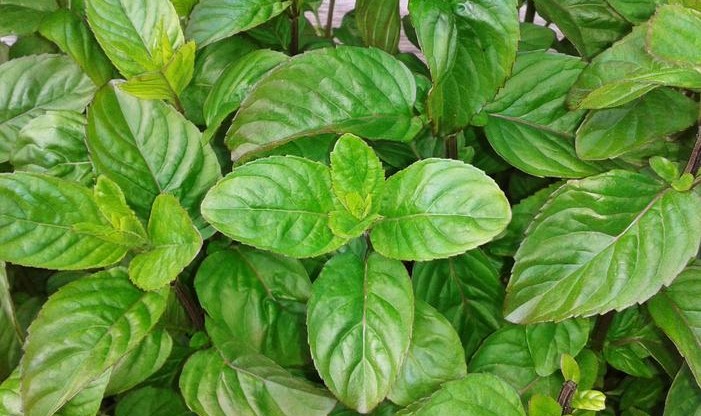

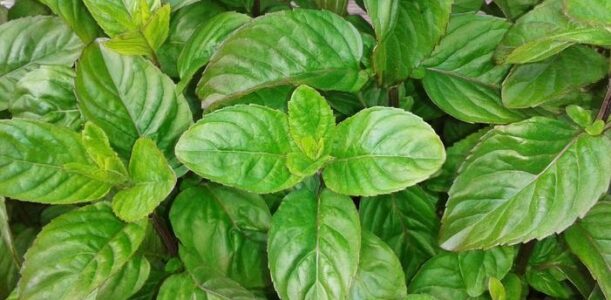
🌿 Basil (Ocimum basilicum) is more than just a flavorful addition to your favorite dishes—it’s a fragrant, fast-growing herb with deep roots in traditional medicine, companion planting, and global cuisine. Whether you’re a backyard gardener or a windowsill grower, basil offers beauty, utility, and aroma that make it a must-have herb.
🌱 Planting Basil
Basil thrives in warm weather and full sun, making it a popular summer crop in most regions.
- When to Plant: Start basil seeds indoors 4–6 weeks before the last frost, or sow directly outdoors once nighttime temperatures consistently stay above 50°F (10°C).
- Soil: Basil prefers well-draining, fertile soil rich in organic matter. A pH between 6.0 and 7.5 is ideal.
- Spacing: Space plants 12–18 inches apart to allow airflow and reduce disease risk.
- Sunlight: Basil needs at least 6–8 hours of direct sunlight per day.
- USDA Hardiness Zones: Basil is a tender annual in Zones 4–10. In Zones 10 and higher, it may grow year-round as a short-lived perennial, especially varieties like African Blue Basil.
🌼 Basil Varieties
There are over 150 known varieties of basil, ranging in flavor, aroma, appearance, and growth habit. While all belong to the Ocimum genus, they vary greatly in how they’re used in cuisine and medicine. Here are a few notable types:
- Genovese Basil: The classic Italian variety with large, sweet green leaves. Perfect for pesto and sauces.
- Thai Basil: Known for its spicy, licorice-like flavor and sturdy leaves. Essential in many Southeast Asian dishes.
- Lemon Basil: Offers a bright, citrusy note that complements fish, teas, and salads.
- Purple Basil: Ornamental with deep purple leaves and a mild clove flavor. Great for colorful dishes and vinegar infusions.
- African Blue Basil: A sterile hybrid (doesn’t produce seeds) that grows vigorously from cuttings. It features purple-veined leaves, a camphor-like aroma, and is loved by pollinators. It can reach heights of 3+ feet and thrives in warm climates.
🌾 Growing and Caring for Basil
Basil is relatively low-maintenance once established.
- Watering: Keep soil evenly moist, but not waterlogged. Water at the base to prevent leaf diseases.
- Pinching and Pruning: Regularly pinch off the top sets of leaves to promote bushier growth and delay flowering.
- Harvesting: Begin when plants are 6–8 inches tall. Snip just above a leaf node to encourage branching.
- Pests: Common issues include aphids, Japanese beetles, and slugs. Neem oil and hand-picking are effective controls.
🤝 Companion Planting with Basil
Basil makes an excellent companion plant in the vegetable garden:
- Good Companions:
- Tomatoes: Repels hornworms and may enhance tomato flavor.
- Peppers: Shares growth needs and pest deterrent benefits.
- Oregano, Parsley, Chives: Thrive in similar conditions.
- Marigolds: Boost pest control and attract beneficial insects.
- Avoid Planting With:
- Rue and Sage: May stunt basil’s growth due to chemical incompatibility.
🍝 Culinary Uses of Basil
Basil’s versatile flavor ranges from sweet to spicy and is used in dishes worldwide:
- Italian Cuisine: Genovese basil is a key ingredient in pesto, tomato sauces, and Caprese salad.
- Asian Cuisine: Thai basil holds its flavor when cooked and is a staple in curries and stir-fries.
- Fresh Uses: Add to sandwiches, wraps, soups, and salads.
- Infusions: Use in herb oils, flavored vinegar, lemonade, or cocktails.
- Preservation: Dry basil for winter use or freeze chopped leaves in olive oil using ice cube trays.
💊 Medicinal and Traditional Uses
Basil has been used in traditional medicine for centuries.
- Digestive Support: Basil tea may soothe bloating and indigestion.
- Anti-inflammatory Effects: Compounds like eugenol may help reduce inflammation.
- Antioxidant Properties: Rich in flavonoids and essential oils.
- Holy Basil (Tulsi): A sacred herb in Ayurveda, distinct from culinary basil, known for reducing stress and supporting immunity and respiratory health.
⚠️ Note: Consult a healthcare professional before using basil or any herb medicinally, especially in concentrated forms.
🌟 Conclusion
With over 150 varieties and a wealth of uses in the kitchen, garden, and home remedy cabinet, basil is truly a powerhouse herb. Whether you’re growing sweet Genovese for pesto, lemon basil for tea, or African Blue for pollinators, basil brings flavor, fragrance, and natural beauty to any space. In Zones 4–10, it’s a reliable summer annual; in warmer climates, it may keep going even longer. No herb garden is complete without it.