
Pollinator gardens are more than just beautiful — they’re powerful tools in the fight against habitat loss, declining pollinator populations, and reduced food security. By dedicating even a small part of your yard to native, pollinator-friendly plants, you’re making a real difference for native bees, butterflies, hummingbirds, and your local environment.
If you live in USDA Hardiness Zone 4 or higher, you have a perfect climate for planting a diverse pollinator garden that will thrive from early spring through fall.
🐝 Native Bees | 🦋 Butterflies | 🐦 Hummingbirds | 🌿 Low-Maintenance | 🌎 Eco-Friendly
🌱 What Is a Pollinator Garden?
A pollinator garden is a carefully planted space filled with nectar- and pollen-rich plants — especially native species — that support pollinating insects and birds. These gardens provide food, nesting sites, and shelter for wildlife while improving biodiversity and benefiting nearby vegetable gardens.
Key features:
- Continuous blooms from spring to fall
- Native plants adapted to local climates
- No pesticides or synthetic fertilizers
- Support for all life stages of pollinators (egg, larva, adult)
🐝 Supporting Native Bees
While honeybees get the spotlight, native bees (like mason bees, bumblebees, and sweat bees) are actually more efficient pollinators. Many of them are solitary and nest in the ground or hollow stems.
✅ Best Plants for Native Bees (Zone 4+):
- Bee Balm (Monarda fistulosa) – Long-lasting flowers, minty scent
- Purple Coneflower (Echinacea purpurea) – Reliable, resilient, nectar-rich
- Anise Hyssop (Agastache foeniculum) – Strong aroma, beloved by bees
- Goldenrod (Solidago spp.) – Essential late-season nectar
- Wild Bergamot – Aromatic, lavender blooms attract both bees and hummingbirds
💡 Tip: Leave bare soil patches or create bee hotels using bundles of stems and twigs for nesting.
🦋 Attracting Butterflies
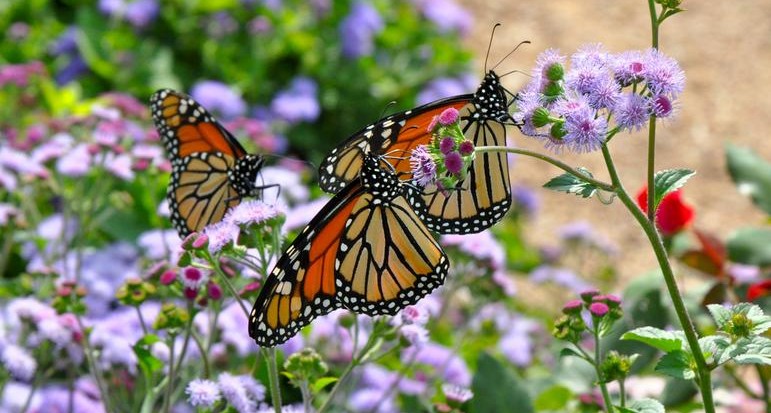
Butterflies need two things: nectar plants for adults and host plants for caterpillars. For example, Monarchs lay eggs only on milkweed, which is the sole food their caterpillars can eat.
✅ Butterfly-Friendly Plants:
- Swamp Milkweed (Asclepias incarnata) – Monarch host and nectar
- Joe-Pye Weed (Eutrochium purpureum) – Tall, purple flower clusters
- Black-eyed Susan (Rudbeckia hirta) – Long bloom season and easy to grow
- Asters (Symphyotrichum spp.) – Critical for fall foraging
- Blazing Star (Liatris spicata) – Stunning vertical spikes
🐛 Host plants like milkweed, violets, and parsley are essential for butterfly reproduction.
🐦 Welcoming Hummingbirds
Hummingbirds are drawn to red, tubular flowers full of nectar. They also appreciate small trees, vines, or shrubs for perching and nesting.
✅ Hummingbird Attracting Plants:
- Columbine (Aquilegia canadensis) – Blooms early, delicate red flowers
- Trumpet Honeysuckle (Lonicera sempervirens) – Native vine with long-blooming red tubes
- Cardinal Flower (Lobelia cardinalis) – Moisture-loving plant with vivid red flowers
- Bee Balm – A hummingbird and bee favorite
- Coral Bells (Heuchera spp.) – Adds structure and early-season nectar
💧 Consider adding a shallow water feature with rocks or perches nearby.
📍 Planting and Growing Tips for Zones 4+
🗓️ When to Plant:
- Spring: Ideal for planting perennials and starting seeds indoors
- Fall: Great for planting perennials and allowing natural seed stratification
🛠️ Site Prep & Maintenance:
- Choose full sun (6+ hours) for most pollinator plants
- Improve compacted soil with compost, but skip rich fertilizers
- Water well during the first growing season
- Once established, most native plants are drought-tolerant
- Group plants in clumps of 3+ for better visibility to pollinators
🐞 Avoid:
- Synthetic fertilizers and herbicides
- Pesticides, including “pollinator-safe” sprays
- Over-mulching — it can block ground-nesting bees
🌼 Sample Plant List for a Zone 4+ Pollinator Garden
| Plant Name | Bloom Time | Pollinators Attracted |
|---|---|---|
| Wild Lupine | Spring | Bees, butterflies |
| Columbine | Spring | Hummingbirds |
| Purple Coneflower | Summer–Fall | Bees, butterflies |
| Bee Balm | Summer | Bees, hummingbirds |
| Blazing Star | Summer–Fall | Butterflies |
| Joe-Pye Weed | Late Summer | Butterflies, bees |
| Asters (NE or Smooth) | Fall | Bees, butterflies |
| Swamp Milkweed | Summer | Monarchs, bees |
🧭 Why It Matters
Pollinator gardens do more than attract pretty creatures — they rebuild broken food webs, support biodiversity, and improve yields in nearby vegetable gardens. By choosing native plants and growing responsibly, you’re joining a grassroots conservation effort that truly makes a difference.
- 🌼 Boosts food production: Pollinators improve fruit and vegetable yields in home gardens.
- 🐞 Attracts beneficial insects: Ladybugs, lacewings, hoverflies, and parasitic wasps — all drawn to native flowers — help control pests like aphids, mites, and caterpillars naturally.
- 🧬 Strengthens biodiversity: Native plants support native insects, which in turn support birds, reptiles, and mammals — creating a cascading positive effect through the local ecosystem.
- 🌎 Fights habitat loss: Even a small garden patch contributes to reversing the decline of pollinators, especially in suburban and urban areas.
🌻 A thriving pollinator garden becomes a natural defense system for your entire yard — flowers feed the bees, and the bees bring balance to the garden.
🪴 Final Tips
- Add a water source: A shallow dish with pebbles gives bees and butterflies a safe drinking spot.
- Leave seed heads and stems: Many beneficial insects overwinter in stems or under dried plant material.
- Plant in layers: Mix tall, medium, and low-growing plants to provide shelter and structure.
- Don’t stress perfection: “Messy” gardens are often the most beneficial for wildlife.
🧡 Start Small — Grow Big Impact
You don’t need acres of land to make a difference. A single raised bed, a strip along the driveway, or even a collection of pots on the patio can become a vibrant habitat.
Your garden can help rebuild ecosystems, support struggling pollinators, and inspire others to follow your lead — all while bringing color and life to your outdoor space.
Written by Dale Trombley – Creator at Low Tech Linux, lover of native plants, and believer that you can do a lot of good with a little bit of dirt.