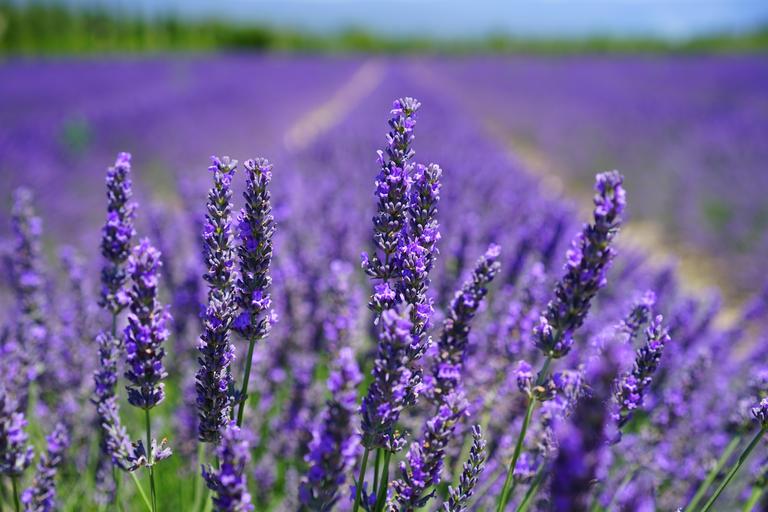

Lavender (Lavandula) is more than just a pretty purple plant. This fragrant herb has been cherished for centuries for its beauty, therapeutic qualities, and culinary charm. From soothing teas to skin salves and baked goods, lavender is as functional as it is ornamental.
There are over 45 known species of lavender, but a few stand out for gardeners, cooks, and herbalists alike:
🌿 Popular Lavender Varieties
- English Lavender (Lavandula angustifolia)
Often considered the “true” lavender, this variety is prized for its sweet aroma and essential oil. Ideal for culinary use.- ‘Munstead’
A compact and early-blooming cultivar. Munstead is perfect for borders, containers, and small gardens. Cold hardy (zones 4–9), it’s one of the best lavenders for cooking due to its mild, sweet flavor.
- ‘Munstead’
- French Lavender (Lavandula dentata)
Recognizable by its toothed leaves and distinctive fragrance. More ornamental than culinary, but often used in potpourris and oils. - Spanish Lavender (Lavandula stoechas)
With bold, pinecone-shaped flowers topped with “rabbit ears,” this variety thrives in hot, dry climates. Popular for Mediterranean-style landscapes. - Lavandin (Lavandula × intermedia)
A hybrid of English and Portuguese lavender, Lavandin grows larger and produces more oil. It has a stronger, more camphor-like scent, making it great for sachets and cleaning products.- ‘Phenomenal’
A standout Lavandin cultivar known for its heat and cold tolerance, Phenomenal reaches 2–3 feet in height and width. It produces masses of fragrant purple flowers and resists humidity, disease, and poor soil conditions. Excellent for landscaping and dried arrangements. - ‘Sensational!’
A newer cultivar similar to Phenomenal, but with larger flower spikes, silvery foliage, and a more compact form. Sensational! is perfect for borders or modern cottage gardens. It also makes a great cut flower and pollinator magnet.
- ‘Phenomenal’
🌱 Growing Lavender
Lavender thrives in sunny, well-drained environments. Here’s how to set it up for success:
- Sunlight: Full sun (6+ hours daily) is essential.
- Soil: Well-drained, alkaline to neutral soil (pH 6.5–7.5). Sandy or rocky soils are ideal.
- Watering: Water young plants regularly. Mature lavender is drought-tolerant and prefers to stay dry between waterings.
- Spacing: Allow 18–24 inches between plants for airflow (or more for larger types like Phenomenal).
- Pruning: Trim after blooming to maintain shape and encourage new growth. In spring, cut back about one-third of the plant.
Zones:
- Munstead – Hardy to zone 4
- Phenomenal and Sensational! – Hardy to zone 5
- Most others – Zones 5–9
✂️ Harvesting Lavender
- When to Harvest: Just as the buds begin to open, when fragrance and oil content are highest.
- How to Harvest: Use sharp shears to snip stems just above the woody part.
- Drying: Tie into small bundles and hang upside down in a dark, dry, airy space for 1–2 weeks.
- Storage: Store dried lavender in airtight containers away from sunlight and moisture.
🍽️ Culinary Uses of Lavender
Lavender can add a delicate, floral note to both sweet and savory dishes.
- Types to Use: Only use culinary-grade English lavender varieties like Munstead or Hidcote.
- Flavor Profile: Lightly sweet, citrusy, and floral.
- Common Uses:
- Infused in syrups, honey, and tea
- Used in baking: cookies, scones, shortbread
- Added to lemonade, cocktails, or ice cream
- Mixed into herbes de Provence for roasted meats and vegetables
Tip: Start with small amounts. Overuse can make dishes taste perfumey or soapy.
🧪 Medicinal Benefits
Lavender has long been prized for its natural healing properties:
- Calming and Stress Relief: Used in aromatherapy to reduce anxiety and promote relaxation.
- Sleep Aid: Lavender oil or dried sachets under the pillow may improve sleep quality.
- Topical Use: Helps with minor cuts, acne, burns, and insect bites due to its antiseptic properties.
- Digestive Soother: Lavender tea may help with bloating and nausea.
- Headaches: Applying diluted lavender oil to the temples can relieve tension headaches.
Caution: Never ingest essential oils and always dilute before applying to skin.
Final Thoughts
With beautiful blooms, fragrant oils, and wide-ranging uses, lavender is one of the most versatile herbs you can grow. Whether you choose compact culinary favorites like Munstead, or bold garden showstoppers like Phenomenal and Sensational!, there’s a lavender for every purpose — and every garden.