
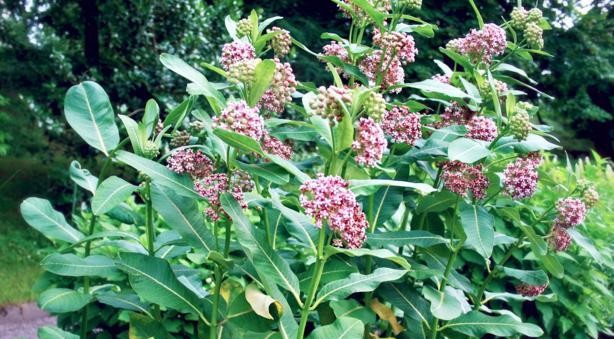

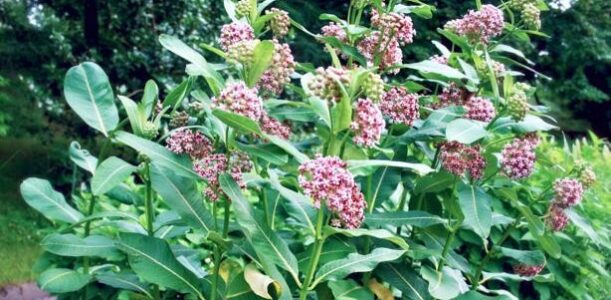
Milkweed (Asclepias spp.) is a group of flowering perennials native to North and South America, prized not only for their resilience and beauty but especially for their critical role in supporting monarch butterflies. With over 100 species in North America alone, milkweed has become a vital part of ecological restoration, pollinator gardens, and traditional medicine.
🌿 Botanical | 🐛 Wildlife | 🧪 Medicinal | 🍽️ Culinary | 🌱 Growing
🌿 Popular Milkweed Varieties
Here are some of the most well-known and widely cultivated milkweed species:
1. Common Milkweed (Asclepias syriaca)
- Tall (3–6 feet), with broad leaves and clusters of fragrant, pinkish-purple flowers.
- Found in fields, roadsides, and gardens across the eastern and central U.S.
- A monarch favorite.
2. Swamp Milkweed (Asclepias incarnata)
- Prefers moist soil and grows near water bodies.
- Narrow leaves and beautiful pink flowers.
- Less aggressive than common milkweed—ideal for garden beds.
3. Butterfly Weed (Asclepias tuberosa)
- Compact (1–3 feet), with bright orange blooms.
- Drought-tolerant and a magnet for a variety of pollinators.
- Doesn’t produce milky sap like other varieties.
4. Showy Milkweed (Asclepias speciosa)
- Native to the western U.S.
- Silvery foliage with large, spiked clusters of pink-purple flowers.
- Excellent for drier climates.
5. Tropical Milkweed (Asclepias curassavica)
- Native to South America but grown widely in warm climates.
- Red and yellow blooms.
- Should be cut back in winter to prevent disrupting monarch migration cycles.
🌱 Growing Milkweed
Milkweed is easy to grow, especially in poor or disturbed soils. It thrives with minimal care once established.
- Zones: USDA 3–9 depending on species.
- Light: Full sun is best.
- Soil: Tolerates a variety but prefers well-drained loam (except A. incarnata, which prefers moist areas).
- Water: Drought-tolerant once mature.
- Propagation: Seeds need cold stratification (simulated wintering). Sow in late fall or refrigerate for 30 days before planting indoors.
Garden Tip: Start milkweed in pots if you’re concerned about aggressive spreading. It grows deep taproots and doesn’t transplant easily once mature.
🐛 Importance to Monarch Butterflies
Perhaps the most well-known ecological role of milkweed is its unique and vital relationship with the monarch butterfly (Danaus plexippus). Here’s why:
- Sole Host Plant: Monarch caterpillars can only eat milkweed. No milkweed = no monarchs.
- Toxic Defense: Milkweed contains cardenolides (toxic compounds). Caterpillars ingest these, making themselves (and later, the adult butterflies) poisonous to predators.
- Lifecycle Connection: Monarchs lay eggs only on milkweed. The emerging larvae feed exclusively on it before pupating.
- Migration Fuel: Adult monarchs feed on nectar from milkweed and other flowers to gain strength for their 2,000+ mile migration.
Unfortunately, due to habitat destruction and pesticide use, wild milkweed has declined—contributing to the sharp drop in monarch populations. Reintroducing milkweed in home gardens, farms, and along roadsides is one of the best ways to aid monarch conservation.
🧪 Medicinal Uses
Milkweed has been used traditionally by Native American tribes and early settlers for a variety of medicinal purposes, although it should be used with caution due to its toxic nature in large amounts.
- Respiratory support: Asclepias tuberosa (Butterfly weed) was called “pleurisy root” for its use in treating lung conditions.
- Digestive aid: Some tribes used it for bloating and indigestion.
- Skin treatments: The milky latex was applied sparingly to remove warts.
⚠️ Note: Never consume milkweed medicinally without professional guidance. Some species are toxic in even small doses.
🍽️ Culinary Uses
While most milkweed is not recommended for culinary use due to its toxicity, young shoots and flower buds of Asclepias syriaca have been consumed traditionally—but only after multiple boilings to remove toxins.
- Boiled shoots: Taste similar to asparagus.
- Flower clusters: Used to make syrup or jelly.
- Pods (young): Cooked and eaten like okra, after proper preparation.
⚠️ Only experienced foragers should attempt this. Many other species of milkweed are not safe to eat at all.
🌍 Final Thoughts
Milkweed is much more than just a plant—it’s a keystone species in the life cycle of monarch butterflies and a powerful symbol of the connection between home gardeners and ecological restoration. By planting native milkweed, we not only create beauty and attract pollinators—we help preserve one of North America’s most iconic migratory species.
Whether you’re tending a wild meadow, restoring a roadside, or cultivating a backyard pollinator patch, milkweed belongs in your landscape.
🦋 Want to Help Monarchs?
- Choose native milkweed species for your region.
- Avoid using pesticides.
- Let some milkweed stand through the winter for overwintering insects.
Together, we can turn the tide for monarchs—one milkweed plant at a time.
Written by Dale Trombley – Low Tech Linux & Pollinator Enthusiast