
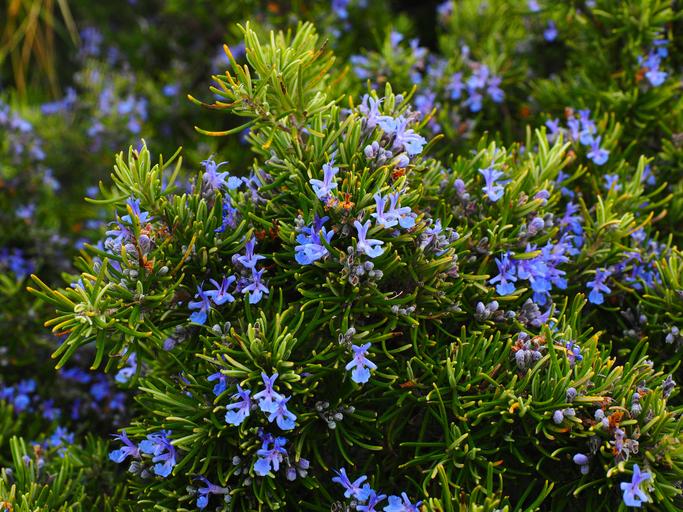

Rosemary (Rosmarinus officinalis) is more than just a fragrant herb that adds depth to your favorite dishes — it’s a hardy perennial, a symbol of remembrance, and a centuries-old medicinal ally. Whether you’re growing it in your backyard or your kitchen windowsill, rosemary brings beauty, flavor, and wellness into your life. In this guide, we’ll explore how to grow and harvest rosemary, its culinary uses, and its surprising medicinal benefits.
Growing Rosemary: A Hardy Garden Favorite
Climate & Location
Rosemary thrives in warm, sunny climates (zones 7–10), but it can be grown in pots anywhere with good light. If you’re in a colder zone, container gardening is your friend — bring it indoors during winter.
Soil Requirements
Rosemary prefers well-draining soil. Sandy or loamy soil works best, with a neutral to slightly alkaline pH (6.5–7.5). Avoid heavy, wet soils that hold water and can cause root rot.
Planting Tips
- From seed: Start indoors early, but be patient — rosemary is slow to germinate.
- From cuttings or transplants: This is the easier route. Simply root a 4–6 inch cutting in water or moist soil.
- Spacing: Allow about 2–3 feet between plants if growing in the ground.
Watering
Rosemary is drought-tolerant. Water deeply but infrequently. Let the soil dry out between waterings.
Pruning & Maintenance
Prune regularly to encourage bushy growth. Trim woody stems in spring, and don’t be afraid to harvest — it keeps the plant healthy and productive.
Harvesting Rosemary: Simple and Satisfying
When to Harvest
You can start harvesting once the plant is well-established, usually after one full growing season. The best time is in the morning after the dew dries but before the sun is too strong.
How to Harvest
Use sharp scissors or pruning shears to cut 4–6 inch sprigs. Snip just above a pair of leaves to encourage branching. Avoid cutting more than a third of the plant at once.
Preserving Rosemary
- Drying: Bundle and hang upside-down in a cool, dry place for 1–2 weeks.
- Freezing: Strip leaves and freeze in oil or as whole sprigs in freezer bags.
- Fresh Storage: Keep fresh sprigs in the fridge wrapped in a damp paper towel or in a jar with water like cut flowers.
Culinary Uses: Flavor That Elevates Any Dish
Rosemary’s piney, earthy aroma pairs beautifully with a wide range of foods. Use it fresh or dried — the flavor intensifies when dried, so adjust accordingly.
Popular Culinary Uses:
- Roasted meats: Especially lamb, chicken, and pork.
- Vegetables: Pairs well with potatoes, squash, and carrots.
- Baking: Infuses breads, focaccia, and savory muffins.
- Infused oils and vinegars: Makes a flavorful base for dressings and marinades.
- Herbal butter: Mix finely chopped rosemary into softened butter for an aromatic spread.
Tip: Crush dried rosemary slightly before cooking to release its oils and soften the texture.
Medicinal Benefits: Ancient Herb, Modern Relevance
Rosemary has a long history in traditional medicine — from ancient Greece to medieval Europe, it’s been used to boost memory, ease digestion, and more. Modern science is starting to catch up with some of these claims.
Medicinal Properties:
- Cognitive support: Known for enhancing memory and concentration. Some studies show rosemary aroma may improve mental performance.
- Anti-inflammatory: Contains rosmarinic acid and carnosol, both of which reduce inflammation.
- Antioxidant-rich: Fights free radicals that can damage cells.
- Digestive aid: Traditionally used to relieve bloating, indigestion, and gas.
- Hair and scalp health: Rosemary oil is often used to stimulate hair growth and reduce dandruff.
How to Use Medicinally:
- Tea: Steep 1 tsp dried rosemary in hot water for 5–10 minutes.
- Tincture: Available commercially or made by steeping rosemary in alcohol.
- Essential oil: For aromatherapy or diluted topical use (never ingest essential oils without medical guidance).
Precautions:
In culinary amounts, rosemary is safe for most people. Medicinal use should be approached with care, especially for pregnant women or those with epilepsy or high blood pressure. Always consult with a healthcare professional before using rosemary medicinally.
Final Thoughts
Rosemary is a true multi-tasker — easy to grow, delicious in the kitchen, and packed with potential health benefits. Whether you’re clipping a few sprigs for roasted potatoes or brewing it as a calming tea, this fragrant herb has earned its place in gardens and homes around the world. Plant it once, and it will reward you for years to come.