
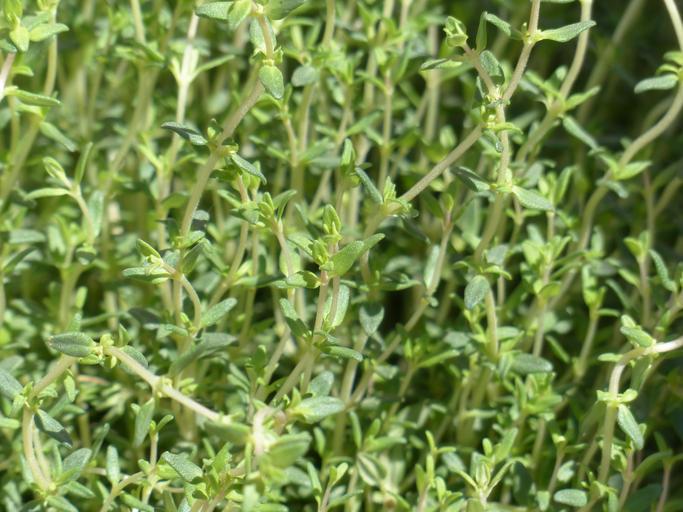

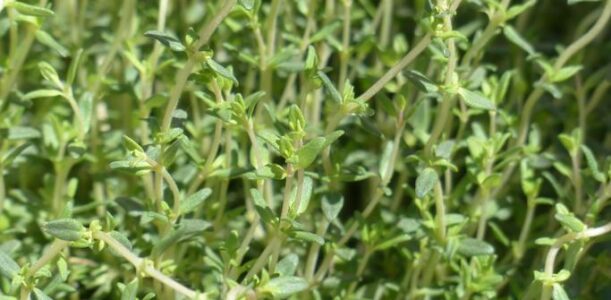
Thyme (Thymus vulgaris) is one of the most beloved and versatile herbs in the world. Revered for its earthy aroma, delicate flavor, and medicinal qualities, thyme has been a staple of gardens, kitchens, and apothecaries for centuries. Whether you’re a home gardener, a culinary enthusiast, or a fan of natural remedies, thyme is a must-have herb that offers a surprising range of benefits.
🌱 Growing Thyme
Thyme is a hardy, drought-tolerant perennial that thrives in a variety of conditions. Native to the Mediterranean region, it prefers warmth and sun, but it adapts well to temperate gardens with the right care.
Planting Tips
- Sunlight: Full sun is best (at least 6 hours a day).
- Soil: Sandy, rocky, or well-draining soil is ideal. Avoid heavy or soggy soil.
- Spacing: Plant 12–18 inches apart to allow airflow and spread.
- Watering: Water sparingly once established. Thyme doesn’t like “wet feet.”
- Containers: Grows very well in pots or window boxes, making it perfect for small spaces.
Cold Hardiness
Thyme is more cold-hardy than many think.
- Hardiness Zones: USDA Zones 5–9 for Thymus vulgaris (common thyme).
- In Zone 4 and colder, apply a thick mulch in late fall or bring potted thyme indoors.
- Good drainage is key to winter survival—cold, wet roots are the most common cause of thyme loss in winter.
Propagation
- Seeds: Slow and uneven germination. Best started indoors 6–8 weeks before the last frost.
- Cuttings: A faster method. Snip a healthy stem, remove lower leaves, and root in moist soil or water.
- Division: Established plants can be divided in spring or fall.
✂️ Harvesting Thyme
Thyme can be harvested as needed throughout the growing season.
When & How to Harvest
- Begin harvesting once the plant is at least 6 inches tall.
- Use scissors or pruners to snip off sprigs, ideally in the morning after the dew has dried.
- For peak flavor, harvest just before flowering when essential oils are strongest.
- Don’t cut more than one-third of the plant at a time to ensure regrowth.
Drying & Storage
- Air Drying: Tie sprigs into bundles and hang in a dark, dry, well-ventilated space.
- Dehydrator: Fast and efficient method for preserving large amounts.
- Strip leaves after drying and store in an airtight container away from light and heat.
- Can also be frozen or infused into oils and vinegars.
🍽️ Culinary Uses of Thyme
Thyme’s warm, savory flavor enhances countless dishes. It’s a staple in French, Italian, and Middle Eastern cooking, and it’s found in classic blends like herbes de Provence and bouquet garni.
Popular Culinary Uses
- Meats: Pairs beautifully with chicken, lamb, beef, and fish.
- Vegetables: Roasted potatoes, carrots, zucchini, and mushrooms benefit from thyme’s earthy notes.
- Soups & Stews: Adds depth and aroma to broths, lentils, beans, and chowders.
- Sauces: Perfect for gravies, tomato sauces, and wine reductions.
- Baking: Occasionally used in breads and savory pastries.
💡 Dried vs. Fresh: Dried thyme is more concentrated. Use about 1 teaspoon dried for every 1 tablespoon fresh in recipes.
🌿 Medicinal Properties of Thyme
Thyme has long been valued in herbal medicine for its potent antiseptic and antioxidant compounds, especially thymol, which gives thyme many of its healing properties.
Traditional & Modern Uses
- Respiratory Support: Thyme tea or syrup is used to treat coughs, colds, bronchitis, and sore throats. It acts as an expectorant and antimicrobial.
- Digestive Aid: Relieves gas, bloating, and indigestion. Often combined with other carminative herbs like peppermint or fennel.
- Topical Use: Thyme-infused oils or diluted essential oil may help with acne, cuts, and fungal infections.
- Immune Boosting: Antioxidant and antimicrobial properties help fight off illness and support general immune health.
⚠️ Caution: Thyme essential oil is powerful and should be diluted before topical use. Avoid medicinal use during pregnancy or while breastfeeding unless approved by a healthcare provider.
🌼 Final Thoughts
Thyme is more than just a fragrant garnish—it’s a tough, beautiful, and practical herb that rewards you in the kitchen, the garden, and the medicine cabinet. Whether you’re roasting a chicken, brewing a soothing tea, or tending a low-maintenance herb bed, thyme adds value in every way.